
When you bought your electric bike, you probably spent hours comparing motors, batteries, range estimates and riding comfort. Then an unexpected realization: choosing an e bike helmet can be just as confusing as choosing the bike itself. Indeed, the most crucial part of e bike safety is wearing an appropriate helmet meant for e-bikes.
E-bike helmets today provide much more protection and technology than traditional cycling helmets. A quick search shows there are hundreds of options. Some say these are the best e bike helmet available. Others sing the praises of MIPS, Bluetooth connectivity, built-in lights, visors, turn signals, crash-detection technology, or the all-important NTA 8776 certification designed specifically for faster electric bicycles.
The problem is, modern e-bike helmets aren’t one-size-fits-all anymore. A helmet that works well for a casual rider cruising down bike paths might not be the best choice for someone commuting through city traffic at 28 miles per hour on a Class 3 e-bike.
An integrated lighting system, turn signals or even an e bike helmet with bluetooth connectivity could help a rider spending most of his day riding through busy intersections, say. If you ride longer distances, you may care more about comfort, ventilation and light weight. At the other end of the spectrum, riders looking for maximum protection may find themselves eyeing a full face e bike helmet for extra facial coverage.
And that’s the reason for this guide. We won’t overload you with marketing claims. We’ll give you the information that counts, how NTA 8776 certification compares to technologies such as MIPS and which models to look at if you want the best e bike helmet for your riding style, budget and safety priorities.
In this article on e bike accessories, we shall relate:
• Why electric bike helmets are special
• Why NTA 8776 certification is important
• NTA 8776 versus MIPS
• Do you need a helmet with visor for electric bike
• Are e bike helmets with bluetooth worth it?
• Things to look for in the best bike helmet for e-bike riding
• The best helmets for e bikes on the market today including the popular XNITO e bike helmet, Lumos Ultra, UNIT 1 NEON SE, and Shinmax
By the end of this guide you’ll know exactly which bike helmet is best for riding an electric bike, and which fits your riding style and budget best.
Why E Bike Helmets Are Becoming More Important
Electric bikes have changed the face of cycling.
Average cruising speeds for regular cyclists are usually around 10-15 mph. Modern e-bikes routinely cruise at about 20 mph and Class 3 can reach speeds of 28 mph.
That little extra speed gives you some big advantages:
• Quicker commuting
• Reduced physical activity
• Extended range
• Reduced reliance on cars
However, that also means that crashes can have much more impact energy.
The standards for helmets on conventional bicycles were developed long before the powerful e-bikes we see today, which is a surprise to many riders. While traditional bicycle helmets are still legal and effective, manufacturers and safety organizations recognized a need for a helmet category that specifically addresses higher-speed riding.
That realization ultimately led to NTA 8776.
What Is an Ebike Rated Helmet?

An e-bike helmet is generally a helmet that has been specifically designed and tested for use on faster electric bikes.
Most often the term is used for helmets for e bikes that comply with the NTA 8776 standard. NTA stands for Nederlandse Technische Afspraak (Dutch Technical Agreement).
An ebike rated helmet usually has (compared to a traditional bike helmet):
- More head protection in the rear
- Extended coverage of the temple
- Better impact management
- Coverage zone expansion
- Designed for the commuter
Many modern e-bike helmets also feature:
- Integrated lighting
- Indicators
- Bluetooth® Connection
- Emergency Alert Capabilities
- Better visibility systems
This is why so many riders looking for the best helmet for ebike use end up choosing NTA certified models.
Understanding NTA 8776 Certification
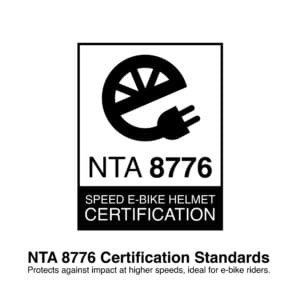
One of the most important phrases you’ll encounter while researching electric bike helmets is NTA 8776.
NTA 8776 is a Dutch safety standard developed specifically for speed pedelecs and higher-speed electric bicycles. It’s considered a standard higher than CPSC (US) or EN 1078 (Europe).
Unlike traditional bicycle standards, NTA 8776 was created with speeds approaching 28 mph (45 km/h) in mind.
The certification generally requires:
- Larger protection zones
- Greater side coverage
- Additional rear-head coverage
- Impact testing suited to higher-speed riding conditions
As a result, many riders now use NTA certification as a shortcut when evaluating the best ebike helmets.
While NTA 8776 is not legally required in the United States, it has become the closest thing to an international benchmark for e-bike-specific protection.
NTA 8776 vs MIPS: Understanding the Difference
A common misconception among many buyers is that NTA 8776 and MIPS are competing technologies.
They’re not.
In fact they are designed to address different safety issues, and they can work very well in tandem.
NTA 8776 is a helmet safety standard developed for higher speed cycling, especially e-bikes and speed pedelecs. It studies the behavior of a helmet under more severe impact conditions. This includes impact testing, which areas of the head the helmet protects, the strength of the helmet structure, and how suitable the helmet is for faster riding.
MIPS (Multi-directional Impact Protection System) is concerned with a different risk: rotational force. Many real-world crashes are not head-on crashes. More often than not, the rider lands at an angle on terra firma or another surface. These angled impacts can generate twisting forces that can be transmitted to the brain.
A helmet equipped with MIPS includes a low-friction layer inside the helmet. This layer allows some movement between the helmet and the head during some impacts. The movement is meant to help dissipate the rotational energy that reaches the brain.
Often the strongest option is not either or, but both.
With an NTA 8776 certified helmet with MIPS technology you are protected against two of the most important crash risks: direct impact energy and rotational forces. For e-bike riders, speed pedelec riders, or those who ride at higher speeds regularly, this mix could be a more comprehensive head protection solution.
What About WaveCel?
WaveCel is another impact-management technology that sometimes appears when researching the best ebike helmet options.
Unlike MIPS, WaveCel uses a collapsible cellular structure that flexes and compresses during impacts.
Although the technology differs, the goal remains similar: reducing injury risk during crashes. WaveCel and MIPS are not replacements for NTA 8776 certification. Instead, they are additional technologies that may complement an e-bike-rated helmet.
Who Should Use an E Bike Helmet?
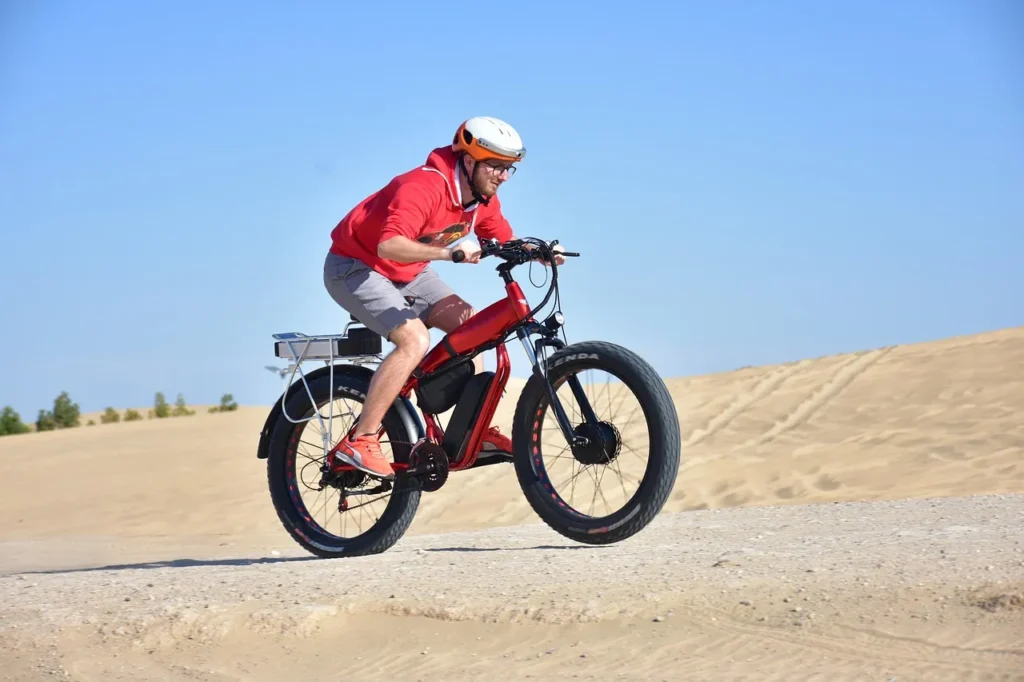
Class 1 Riders
Class 1 e-bikes provide pedal assistance up to 20 mph.
Many riders remain comfortable using quality CPSC-certified helmets, though NTA-certified models offer additional protection.
Class 2 Riders
Class 2 e-bikes include a throttle and can reach 20 mph.
Many commuters in this category benefit from the extra coverage offered by NTA-certified helmets.
Class 3 Riders
Class 3 e-bikes can assist up to 28 mph.
For these riders, an ebike rated helmet becomes especially attractive.
If you’re regularly riding near traffic at higher speeds, NTA 8776 certification deserves serious consideration.
Do You Need an E Bike Helmet with Visor?
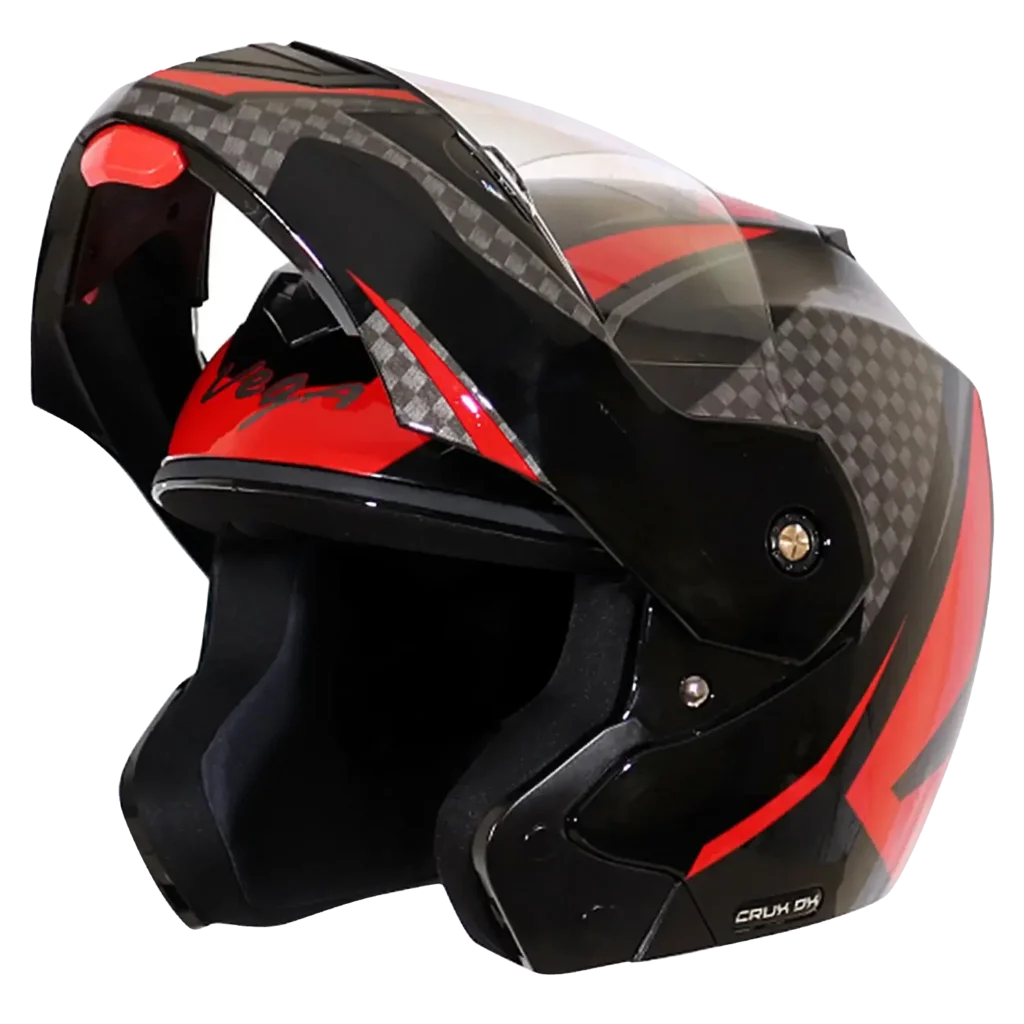
Many commuters eventually discover the advantages of an e bike helmet with visor.
A visor can help:
- Reduce sun glare
- Improve comfort during rain
- Block wind
- Protect against insects and debris
For urban riders and commuters, a visor is often one of the most practical upgrades available.
Helmets such as the Shinmax and several commuter-oriented NTA-certified models incorporate visors specifically for this reason.
Is an E Bike Helmet with Bluetooth Worth It?
The category of e bike helmet with bluetooth is gaining interest as smart helmets become more popular.
These helmets can be made in:
• Bluetooth connectivity
• Phone Integration
• Voice communications.
• Musiksteuerung
• Directional hints
• Emergency alert systems
Many modern e bike helmets with bluetooth also offer connectivity with lighting systems and safety features.
Whether Bluetooth is worth it depends on your riding style. Some riders love the convenience. Others like the simpler helmets that only worry about protection.
The trick is to remember that connectivity should enhance safety, not replace it.
Do You Need a Full Face E Bike Helmet?

Some riders specifically search for an e-bike helmet full face design for maximum facial protection.
Full-face protection becomes particularly attractive when:
- Riding off-road
- Using high-powered e-bikes
- Riding on technical trails
- Prioritizing maximum facial protection
For most urban commuters, however, a standard NTA-certified commuter helmet is usually sufficient.
Those seeking an e bike helmet full face design should expect greater protection but also increased weight and reduced ventilation.
NTA 8776 Helmet List: What Should You Look For?
If you’re looking for an NTA 8776 helmet list, there are several features, beyond the certification itself, that are worth paying attention to:
- Correct fit
- Easy retention system
- Ventilation
- Features related to visibility
- Lighting system
- Battery life (for intelligent helmets)
- Reputation of the brand
Certification is important, but so is usability.
Because at the end of the day, the best helmet is the one you’ll wear every day.
How We Chose the Best E Bike Helmets

The helmets featured in this guide were selected based on:
- NTA 8776 certification
- Real-world commuter usability
- Visibility features
- Comfort
- Safety technology
- Rider popularity
- Overall value
Rather than focusing solely on premium-priced products, we’ve included options across multiple budgets and riding styles.
This ensures that riders searching for the best bike helmet for electric bike use can find an option that fits both their needs and budget.
Detailed Reviews of the Best E Bike Helmets
Not every rider requires the same helmet.
Some commuters want the best rated and most affordable helmet for ebikes. Others prefer visibility, integrated lighting, turn signals or Bluetooth connectivity. The helmets below are some of the best options on the market today for riders looking for reliable electric bike helmets with modern safety features.
1. XNITO E-Bike Helmet
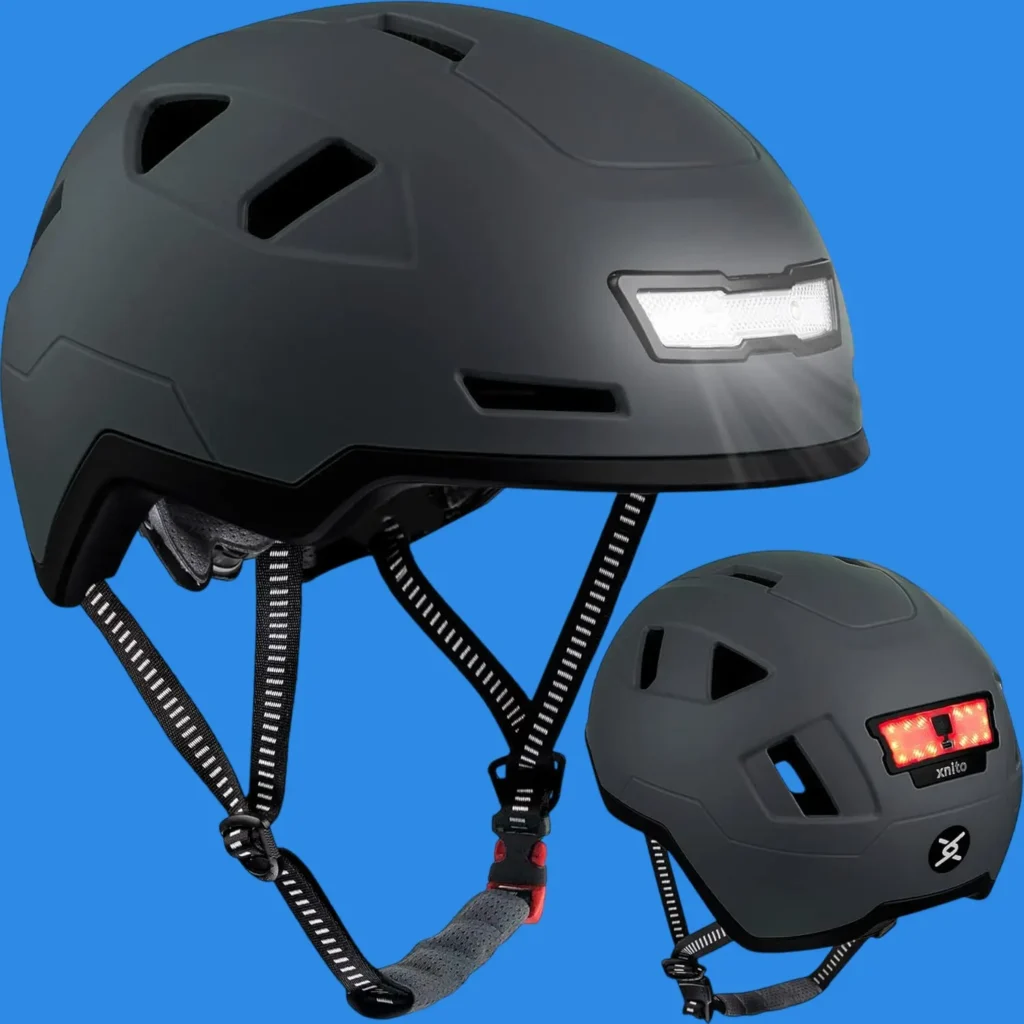
What Is the XNITO E Bike Helmet?
This is one of the first recommendations we give riders looking for a best helmet for ebike commuting without having to break the bank.
The XNITO e bike helmet does away with much of the superfluous design seen in many premium commuter helmets that often run well above the $150 mark, focusing on delivering only the most necessary safety features at a more attainable price. Targeting the electric bike market, it has rapidly become one of the most well-known NTA-certified helmets for sale online.
One of its reasons for popularity is that it doesn’t convolute unnecessary. Instead of filling the helmet with Bluetooth speakers, smartphone apps or fancy electronics, XNITO has focused on core commuter needs: safety, visibility comfort and cost.
The XNITO is often the first introduction to what a real ebike rated helmet can be for riders new to e-bikes.
Key Features
- NTA 8776 certified
- CPSC certified
- Designed for speeds up to 28 mph
- Integrated rear light
- Extended rear coverage
- Lightweight commuter design
- Adjustable fit system
- Multiple color options
Real-World Riding Experience
In regular day-to-day use the XNITO weighs significantly less than many riders would expect from an e bike helmet that meets the NTA 8776 standard. The rear coverage is long enough that you feel like you’re really getting some protection but it’s far from bulky, while a wide-reaching fit system allows the helmet to be adjusted securely over a wide variety of head shapes.
This NTA 8776 certified e bike helmet is a nice little addition for commuting since the rear light is integrated. It’s nowhere near as bright as the dedicated smart helmets from brands like Lumos, but it does a good job of increasing your visibility during early-morning and evening rides.
A happy middle ground that many owners seem to enjoy. This bike helmet for electric bike comes with the peace of mind of NTA 8776 certification, but without the batteries, apps or maintenance headaches you get with other lights — apart from simply charging your rear light. That simplicity could be a godsend for commuters who just want an electric bike helmet that works.
Pros
| WHAT WE LIKE ABOUT IT |
| Excellent value |
| NTA 8776 certified |
| Lightweight design |
| Comfortable fit |
| Integrated rear light |
| Designed specifically for e-bike riders |
Cons
| IN WHAT WAY IT COULD BE BETTER |
| No Bluetooth features |
| No turn signals |
| Fewer advanced features than smart helmets |
Bottom Line
The XNITO e bike helmet remains one of the strongest value-oriented choices for riders seeking straightforward NTA-certified protection.
2. Lumos Ultra E-Bike
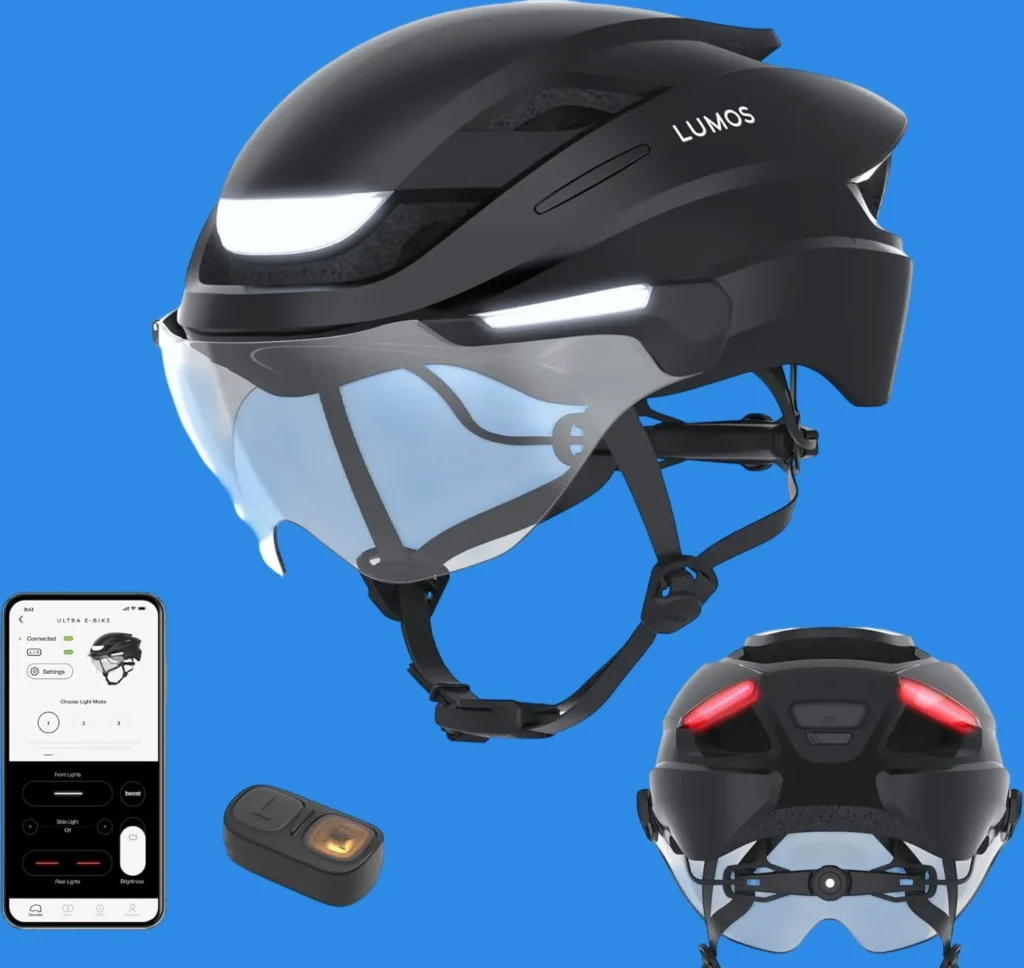
What Is the Lumos Ultra Helmet?
Lumos Ultra E-Bike Helmet is one of the best-known names in the smart-helmet space.
Traditional helmets are mainly about impact protection, while Lumos takes the concept a step further, focusing on accident prevention through visibility. The company is known for integrating lights directly into helmets, and the Ultra E-Bike follows that philosophy while adding NTA 8776 certification for faster riding.
Visibility is as crucial as impact protection for riders who frequently ride in traffic. Drivers can’t avoid what they don’t see. Lumos solves that problem by incorporating front and rear lighting into the helmet itself. Being an e bike helmet with light, it’s definitely ensures you a safer ride.
The end result is one of the most technologically advanced e bike helmets available in the market today.
Key Features
- NTA 8776 certified
- Integrated front and rear LED lighting
- Turn signals
- Smartphone app integration
- Remote-control compatibility
- Rechargeable battery
- Optional MIPS versions
Real-World Riding Experience
The visibility is the first thing most riders notice.
The integrated lighting system makes rider conspicuity in traffic dramatically better, especially at dawn, dusk, in the rain or in overcast conditions. Turn-signal capabilities help riders indicate their intentions to surrounding vehicles.
The electronics are surprisingly good and comfort is pretty good. The weight distribution is well balanced, ventilation is sufficient for the commute and battery management is quickly incorporated into the rider’s routine.
Lumos offers active visibility, something most traditional helmets can’t provide commuters who spend a lot of time in traffic.
Pros
| WHAT WE LIKE ABOUT IT |
| Outstanding visibility |
| Integrated lighting |
| Turn signals |
| Smart functionality |
| NTA 8776 certified |
Cons
| IN WHAT WAY IT COULD BE BETTER |
| Requires charging |
| Higher price than basic helmets |
Bottom Line The Lumos Ultra remains one of the best electric bike helmets for commuters who prioritize visibility and smart safety technology.
3. UNIT 1 NEON SE Smart Helmet
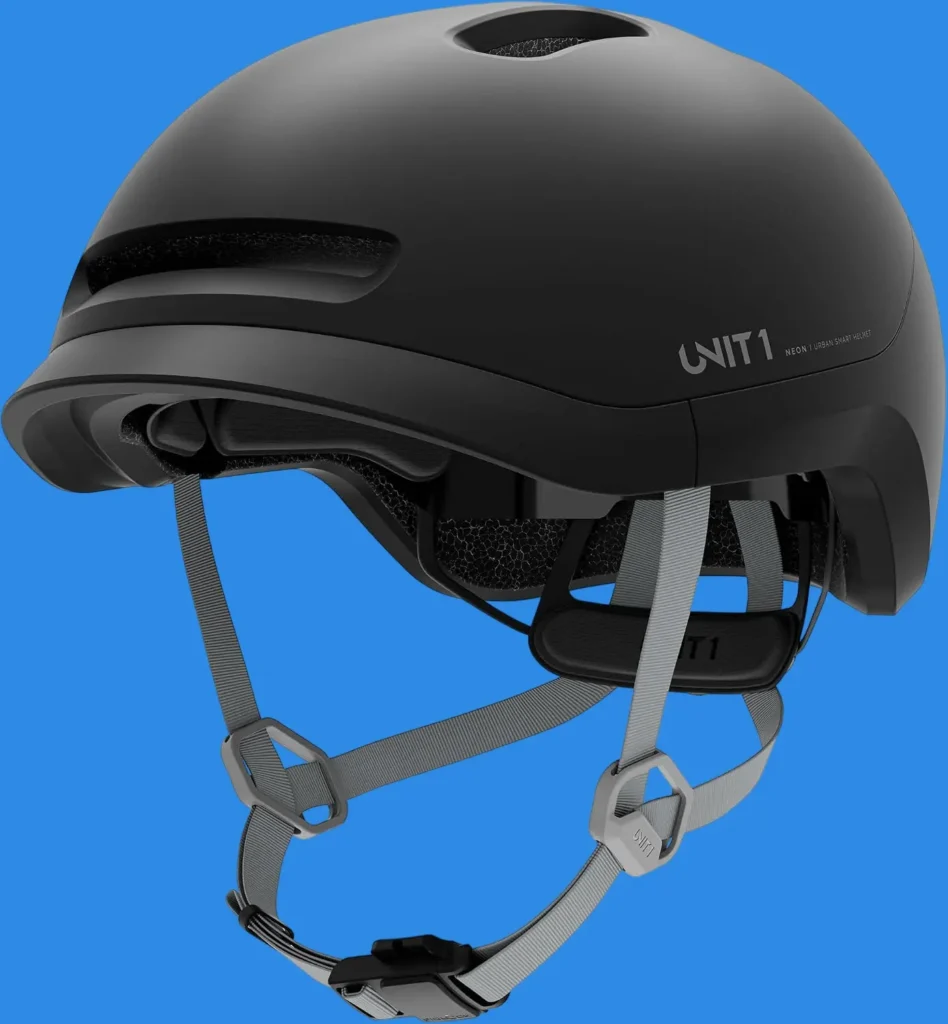
What Is the UNIT 1 NEON SE?
The UNIT 1 NEON SE was designed around a simple idea: helping riders become impossible to ignore.
While many helmets incorporate a small rear light, the NEON SE features a significantly larger lighting surface integrated throughout the helmet. The result is a highly visible commuter helmet that blends safety and technology into a refined urban package.
The design feels modern and premium. Riders who dislike bulky commuter gear often appreciate the streamlined styling, while safety-conscious users value the enhanced visibility.
Among today’s smart e bike helmets, the NEON SE is one of the strongest visibility-focused options available.
Key Features
- NTA 8776 certified
- High-output LED lighting
- Brake light functionality
- Turn signals
- Smartphone integration
- Rechargeable battery
- Premium urban design
Real-World Riding Experience
The visibility is, without question, the helmet’s standout feature.
The illuminated rear silhouette gives it a presence on the road that drivers can’t help but notice. That increased visibility can be invaluable in bad weather, low light conditions, and heavy urban traffic.
Comfort is also impressive. The retention system allows for a secure fit and the helmet remains comfortable during long rides. It’s expensive, but many riders feel the increased visibility is worth the cost.
Pros
| WHAT WE LIKE ABOUT IT |
| Exceptional visibility |
| Large integrated lighting system |
| Turn signals |
| Premium construction |
| NTA 8776 certified |
Cons
| IN WHAT WAY IT COULD BE BETTER |
| Premium pricing |
| More technology than some riders need |
Bottom Line
The UNIT 1 NEON SE is one of the most visibility-focused e bike helmets with light currently available.
4. Shinmax Bike Helmet
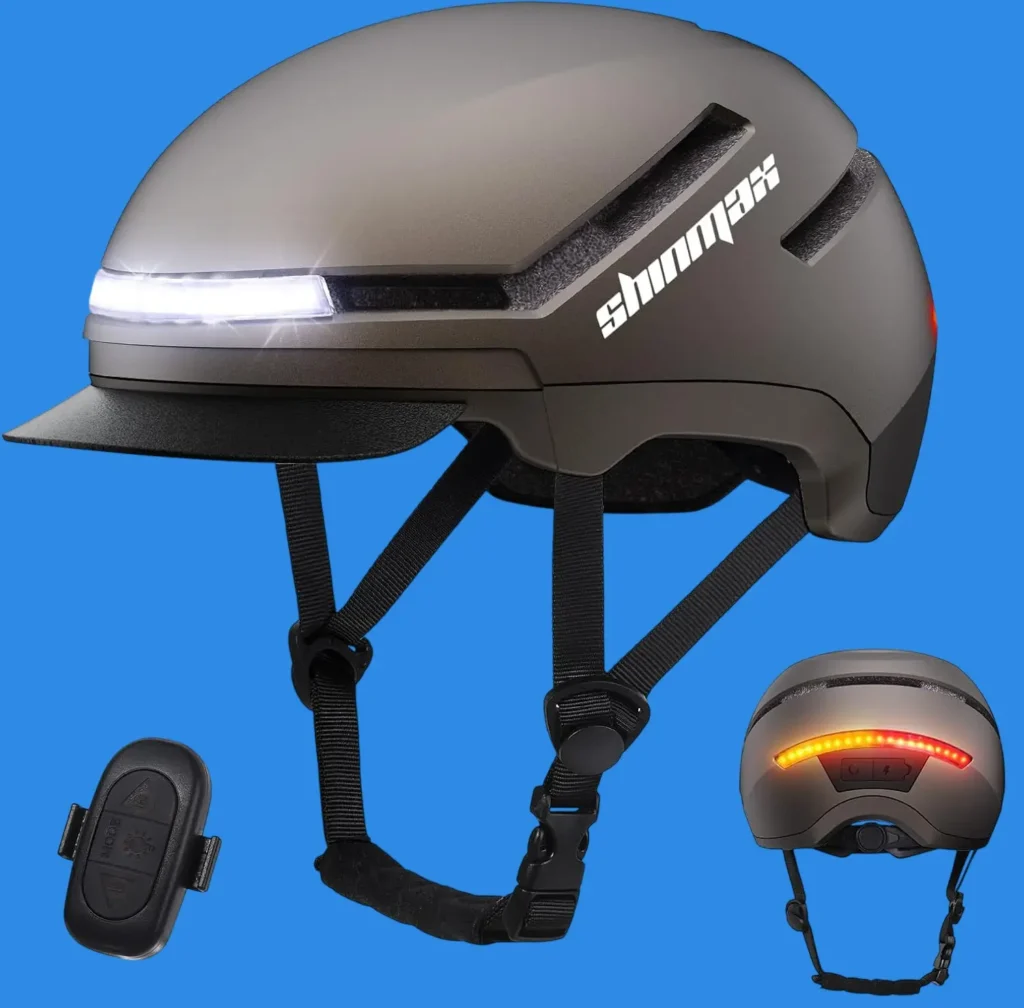
What Is the Shinmax Bike Helmet?
Today’s e-bike helmet market has an interesting niche occupied by the Shinmax.
Riders used to have to decide between a simple commuter helmet and an expensive smart helmet. The Shinmax tries to fill that gap by offering many of the features of premium smart helmets at a much lower price point.
The helmet is basically a real ebike rated helmet because it is NTA 8776 certified. It is adapted to the speed ranges usually found in modern e-bikes and speed pedelecs.
But the helmet is the one that stands out in terms of visibility. Instead of just passive reflective features, Shinmax has loaded up a unit built for daily commutes with front lighting, rear lighting, turn signals, and wireless controls. The end result is a helmet that actively communicates rider intentions to surrounding traffic.
For riders looking for smart features on a non-premium-helmet budget, the Shinmax is one of the most interesting options out there right now.
Key Features
- NTA 8776 certified (up to 45 km/h / 28 mph)
- CPSC certified
- CE certified
- Integrated front safety light
- Rear LED lighting system
- Wireless handlebar remote
- Turn-signal functionality
- USB-C rechargeable
- 360° fit adjustment system
- Removable visor
- Lightweight commuter design
- Multiple light modes
Real-World Riding Experience
The Shinmax is especially good in urban environments.
The lighting system, along with the turn-signal system, gives riders another form of communication that many find useful at intersections and when changing lanes, and it’s bright enough to be noticed in low light conditions.
The wireless handlebar remote is simple to operate. The Shinmax is designed to be ready to go almost straight away, unlike some smart devices that need a lot of set up.
Surprisingly, comfort is also good.
The 360-degree fit system provides riders the ability to dial in a secure fit without excessive pressure points. The eight vents provide ventilation to keep the air flowing and the removable visor helps cut down on the glare for a more comfortable ride in the sun.
The build quality isn’t quite in the same polished league as some premium helmets that cost two or three times as much, but the value proposition overall is extremely compelling.
The Shinmax will provide most of the functionality that most commuters actually use on a day-to-day basis.
Pros
| WHAT WE LIKE ABOUT IT |
| NTA 8776 certified |
| Excellent value |
| Integrated front and rear lighting |
| Turn signals with wireless remote |
| Comfortable fit system |
| USB-C charging |
| Removable visor |
Cons
| IN WHAT WAY IT COULD BE BETTER |
|---|
| Battery-dependent |
| Not as refined as premium smart helmets |
| Ventilation adequate rather than exceptional |
Bottom Line
The Shinmax is one of the best budget-friendly smart e bike helmets with light currently available. Riders seeking NTA-certified protection, improved visibility, and turn-signal functionality without premium pricing should place it high on their shortlist.
How to Choose the Best E Bike Helmet

With dozens of options available, selecting the best ebike helmet can feel overwhelming.
The good news is that most buying decisions become easier once you focus on the factors that actually matter.
1. Verify NTA 8776 Certification
For many riders, this should be the starting point.
If you own a Class 3 e-bike or regularly ride above 20 mph, NTA certification provides reassurance that the helmet was designed with higher-speed riding in mind.
When researching an NTA 8776 helmet list, always verify that certification directly through the manufacturer’s specifications.
2. Prioritize Proper Fit
Even the most advanced helmet cannot protect effectively if it does not fit correctly.
A properly fitted helmet should:
- Sit level on the head
- Remain secure without excessive pressure
- Not shift significantly during movement
- Keep the straps comfortably positioned
Fit is often more important than additional features.
3. Decide Whether Smart Features Matter
Modern electric bike helmets increasingly include:
- Lights
- Turn signals
- Bluetooth
- Emergency alerts
- Smartphone connectivity
Some riders love these features.
Others prefer simplicity.
There is no universally correct answer.
The key is identifying which features genuinely improve your riding experience.
4. Consider Visibility
Many cycling accidents occur because drivers fail to notice riders.
For commuters, visibility can be nearly as important as impact protection.
Helmets such as:
- Lumos Ultra
- UNIT 1 NEON SE
- Shinmax
place a strong emphasis on helping riders remain visible in traffic.
5. Match the Helmet to Your Riding Style
Different riders benefit from different helmet philosophies.
Value-Focused Riders
The XNITO e bike helmet offers an excellent balance of certification, comfort, and affordability.
Smart Visibility-Focused Riders
The Lumos Ultra, UNIT 1 NEON SE, and Shinmax prioritize visibility, lighting, and communication features.
Technology Enthusiasts
Riders who enjoy connectivity, smartphone integration, Bluetooth communication, and advanced safety systems will likely appreciate the Lumos ecosystems.
Important Helmet Buying Rules
1. Never Buy a Used Helmet
Helmet foam is designed to absorb impact by crushing.
Previous impacts may not be visible externally.
For that reason, used helmets are generally not recommended.
2. Replace a Helmet After a Significant Impact
If a helmet absorbs a crash, it has already performed its primary function.
Even when damage is not obvious, internal structures may have been compromised.
3. Replace Aging Helmets
Most manufacturers recommend replacing helmets approximately every three to five years.
Factors affecting lifespan include:
- Sun exposure
- Sweat
- Storage conditions
- Material degradation
4. Verify Certifications Carefully
When shopping online, avoid vague marketing language.
Look specifically for named certifications such as:
- NTA 8776
- CPSC
- CE
- EN1078
Specific certifications provide much more useful information than generic safety claims.
Final Verdict
The helmet market has been transformed by the growth of electric bicycles. Your electric bike can get smarter every year. Your helmet needs to be able to keep up.
Riders today want more than just basic impact protection. They want to be seen, comfortable, connected and confident at higher speeds.
As a result, NTA 8776 certification is now among the most significant benchmarks when evaluating modern e bike helmets.
The helmets we’ve reviewed above are among the best e bike helmets in the market today. The XNITO E-Bike Helmet is the value leader, while the Lumos Ultra E-Bike, UNIT 1 NEON SE, and Shinmax Bike Helmet lead the visibility-focused smart-helmet category.
The Lumos Ultra still represents one of the best all-around solutions for integrated lighting and signalling, the UNIT 1 NEON SE delivers incredible visibility and the Shinmax boasts impressive smart features for a very competitive price.
At the end of the day, the best e bike helmet is the one that fits, meets known standards, and encourages you to wear it every time you ride.
Affiliate Disclosure
This article contains affiliate links. If you purchase products through these links, we may earn a commission at no additional cost to you. This helps support our work and allows us to continue creating independent reviews and buying guides.
Frequently Asked Questions
What is an ebike rated helmet?
An ebike rated helmet is a helmet specifically designed for higher-speed electric bicycle riding. Most riders associate the term with helmets that meet the NTA 8776 standard.
What is the best ebike helmet?
The answer depends on your priorities.
For value, the XNITO e bike helmet remains one of the strongest choices.
For visibility, many riders prefer the Lumos Ultra or UNIT 1 NEON SE.
For Bluetooth functionality, the UNIT 1 NEON SE is particularly attractive.
Are electric bike helmets different from regular bike helmets?
Yes.
Many electric bike helmets provide additional coverage and may be tested to standards specifically intended for higher-speed riding.
Is NTA 8776 better than CPSC?
Not exactly.
CPSC remains the legal standard for bicycle helmets sold in the United States.
NTA 8776 is an additional certification designed specifically for faster e-bike riding.
Do I need an e bike helmet with visor?
Not necessarily.
However, many commuters appreciate the added protection from sunlight, rain, wind, and debris.
What is the best bike helmet for electric bike commuting?
Choosing the right helmet for e bike commuting depends on your riding style and budget. For everyday commuting, the best choice depends on whether you prioritize:
- For value, the XNITO E‑Bike Helmet remains one of the strongest choices; the Shinmax Bike Helmet is also worth considering.
- For visibility, many riders prefer the Lumos Ultra or UNIT 1 NEON SE.
- For Bluetooth functionality, the UNIT 1 NEON SE is particularly attractive.
Are e bike helmets with bluetooth worth it?
For some riders, yes.
Bluetooth features can support communication, navigation prompts, and emergency functionality.
However, riders who prefer simplicity may find that standard helmets better suit their needs.
Should I buy a full face e bike helmet?
A full face e bike helmet may be worthwhile for:
- Aggressive riding
- Off-road use
- High-powered e-bikes
For typical urban commuting, most riders choose standard NTA-certified commuter helmets instead.
Is a full face e bike helmet safer?
A full face e bike helmet provides additional facial and jaw protection. However, it is also heavier and often less ventilated than standard commuter helmets.
The best choice depends on your riding style.
Discover more from Ebike Decide
Subscribe to get the latest posts sent to your email.